Suodattimet
Lajitteluperuste: Asema Nimi: A Ö Nimi: Ö A Hinta: halvasta kalliimpaan Hinta: kalliista halvempaan Luontiaika SKU: A Ö SKU: Ö A
Näyttö 12 20 24 100 / sivu
Lisää vertailulistalle Lisää toivelistalle
Lisää vertailulistalle Lisää toivelistalle
Lisää vertailulistalle Lisää toivelistalle
48-T2608900392
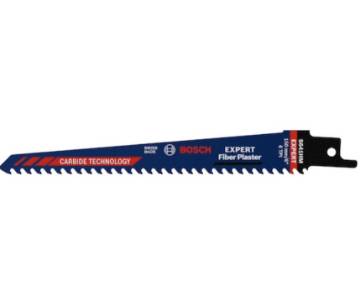
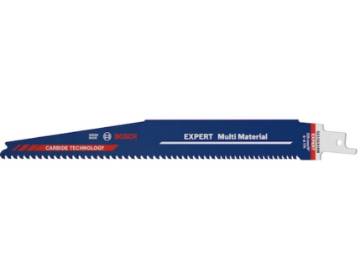
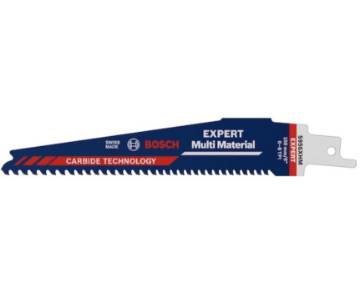
Pikk tööiga ehitusmaterjalide lõikamisel Ülim vastupidavus Boschi Carbide Technology abil Ahenev ots suudab kitsastes kohtades sügavamale küündida Lai kere täpsete ja sirgete lõigete saavutamiseks Paks lõikeleht pakub täiendavat vastupidavust ja stabiilsust Astmeline hammaste vahe mistahes paksusega materjali lõikamiseks Sobib kõigile S-varrega tiigersaagidele Lisää vertailulistalle Lisää toivelistalle
48-T2608900395
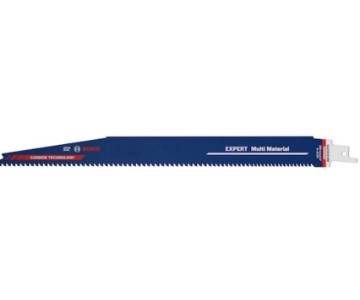
Pikk tööiga ehitusmaterjalide lõikamisel Ülim vastupidavus Boschi Carbide Technology abil Astmeline hammaste vahe mistahes paksusega materjali lõikamiseks Ahenev ots suudab kitsastes kohtades sügavamale küündida Paks lõikeleht pakub täiendavat vastupidavust ja stabiilsust Lai kere täpsete ja sirgete lõigete saavutamiseks Sobib kõigile S-varrega tiigersaagidele Lisää vertailulistalle Lisää toivelistalle
48-T2608900365
Kasutusala:
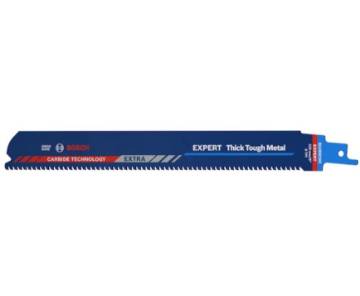
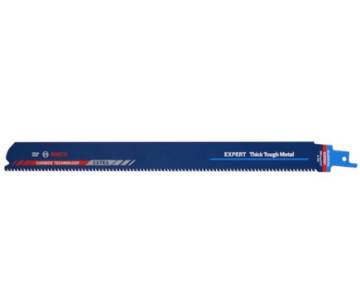
kõige tugevamate metallide ja ülitugeva terase lõikamiseks
Lisää vertailulistalle Lisää toivelistalle
48-T2608900369
Kasutusala:
kõige tugevamate metallide ja ülitugeva terase lõikamiseks
Lisää vertailulistalle Lisää toivelistalle
48-T2608900379
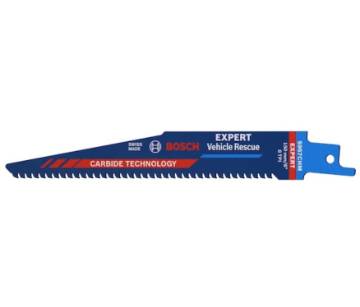
Pikk tööiga tänapäeva autotööstuses kasutatava terase lõikamisel Ülim vastupidavus Boschi Carbide Technology abil Esimesed hambad on loodud selliselt, et need võimaldaksid uputuslõike tegemist Ahenev ots suudab kitsastes kohtades sügavamale küündida Paks lõikeleht pakub täiendavat vastupidavust ja stabiilsust Sobib kõigile S-varrega tiigersaagidele Lisää vertailulistalle Lisää toivelistalle
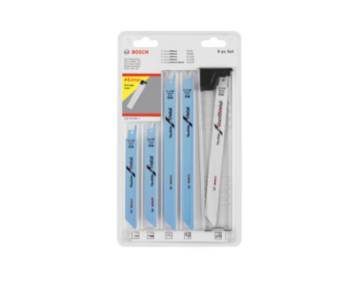
48-T2607010906
Komplekti sisu:
S 922 EF Flexible for Metal (1x) / S 922 BF Flexible for Metal (2x) / S 1122 EF Flexible for Metal (1x) / S 1122 BF Flexible for Metal (1x) / S 1122 VF Flexible for Wood and Metal (1x)
Lisää vertailulistalle Lisää toivelistalle
48-T2608900389
Pikk tööiga ehitusmaterjalide lõikamisel Ülim vastupidavus Boschi Carbide Technology abil Astmeline hammaste vahe mistahes paksusega materjali lõikamiseks Ahenev ots suudab kitsastes kohtades sügavamale küündida Paks lõikeleht pakub täiendavat vastupidavust ja stabiilsust Lai kere täpsete ja sirgete lõigete saavutamiseks Sobib kõigile S-varrega tiigersaagidele Lisää vertailulistalle Lisää toivelistalle
48-T2608900373
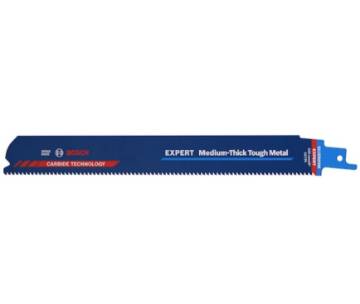
Pikk tööiga keskmise paksusega tugeva metalli lõikamisel Ülim vastupidavus Boschi Carbide Technology abil Lai kere täpsete ja sirgete lõigete saavutamiseks Peened hambad lõikavad hõlpsalt peenikesi materjale Sobib kõigile S-varrega tiigersaagidele Lisää vertailulistalle Lisää toivelistalle
Lisää vertailulistalle Lisää toivelistalle
48-T2608900388
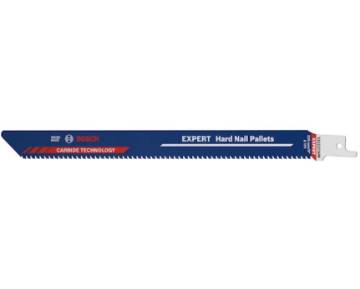
Pikk tööiga kõvade naeltega kaubaaluste lõikamisel Ülim vastupidavus Boschi Carbide Technology abil Pööratud ots ennetab ummistumist ja tagasilööke Ülipainduvat kere saab tasapinnaliste lõigete jaoks painutada Varre pikema tööea tagamiseks on tugevdatud varre üleminekut Sobib kõigile S-varrega tiigersaagidele Lisää vertailulistalle Lisää toivelistalle
48-T2608900368
Kasutusala:
kõige tugevamate metallide ja ülitugeva terase lõikamiseks
Lisää vertailulistalle Lisää toivelistalle
48-T2608900398
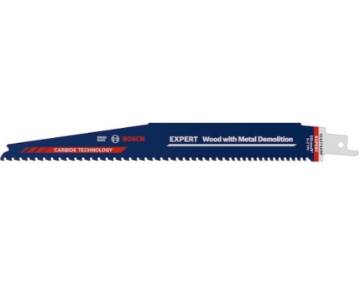
Pikk tööiga metalltugevdustega puidu lõikamisel Ülim vastupidavus Boschi Carbide Technology abil Ahenev ots suudab kitsastes kohtades sügavamale küündida Paks lõikeleht pakub täiendavat vastupidavust ja stabiilsust Tugevdatud hambad suudavad taluda lammutustöö ülimat väärkasutust Astmeline hammaste vahe mistahes paksusega materjali lõikamiseks Sobib kõigile S-varrega tiigersaagidele Lisää vertailulistalle Lisää toivelistalle
48-T2608900384
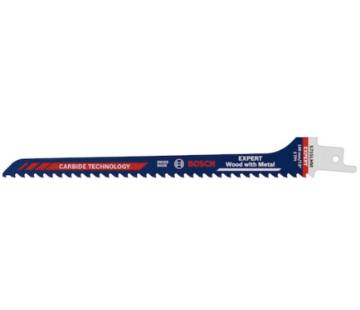
Pikk tööiga metalltugevdustega puidu kaarjal lõikamisel Ülim vastupidavus Boschi Carbide Technology abil Kitsas leht on ideaalne kaarjate lõigete jaoks Sobib kõigile S-varrega tiigersaagidele Lisää vertailulistalle Lisää toivelistalle
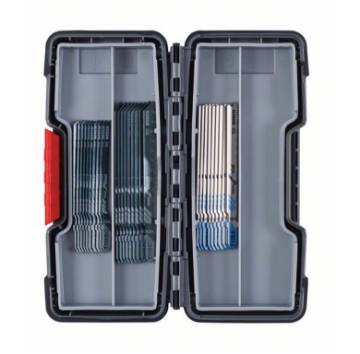
48-T2607010903
Komplekti sisu:
T 119 BO Basic for Wood / T 111 C Basic for Wood / T 118 A Basic for Metal
Lisää vertailulistalle Lisää toivelistalle
48-T2608900372
Kasutusala:
kõige tugevamate metallide ja ülitugeva terase lõikamiseks
Lisää vertailulistalle Lisää toivelistalle
48-T2608900371
Kasutusala:
kõige tugevamate metallide ja ülitugeva terase lõikamiseks
Lisää vertailulistalle Lisää toivelistalle
03-57947
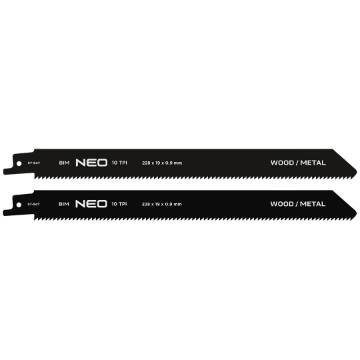
Sabre saw blades 228 x 19 x 0.9 mm, 10 TPI, set of 2 pieces 57-947 by NEO TOOLS are two saw blades made of BIM, which have 10 TPI and dimensions 228 x 19 x 0.9 mm (tooth spacing 2.5 mm). They are designed for straight cuts in demanding materials: wood with nails/metal, 5-175 mm pallets, sheet metal, pipes and 3-12 mm aluminium profiles. The flexible design improves guidance control and durability when working with a wide variety of sections.
Lisää vertailulistalle Lisää toivelistalle
03-58031
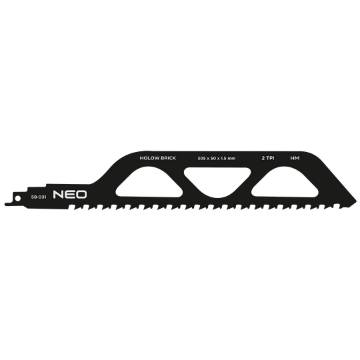
The sabre saw blade, HM, 240 x 22.5 x 1.5 mm, 2 TPI 58-030 by NEO TOOLS, measuring 240 x 22.5 x 1.5 mm, with 2 TPI toothing (12.7 mm pitch), is designed for cutting brick (<190 mm) and cellular concrete. The carbide (HM) blades provide durability in abrasive materials and the design allows for precise angled cutting. This sabre saw blade from NEO TOOLS is suitable for a wide range of applications requiring fast, straightforward guidance and tool resistance.